
The Body Is Not Fully Obedient
The Reason I JumpThis flow develops the theme of bodily alienation, showing how movement, stillness, and sensory action can both express distress and restore a sense of self.
increasing Bearing strength in each event
 decreasing
Bearing strength in each eventdecreasingA Faulty Remote Control

A Faulty Remote Control
Action out of reach
Naoki Higashida compares control of his body to operating a faulty remote-controlled robot. Staying still or moving when instructed can both be difficult.
The observer's mistake
Others may treat the result as refusal, although he describes struggling to make his body obey. The metaphor asks readers to distinguish unwillingness from impaired control.
Touch as Loss of Control

Touch as Loss of Control
The body approached
Naoki Higashida notes that some autistic people find touch frightening or uncomfortable. Being touched can feel like another person exercising control over a body that its owner already struggles to control.
Boundaries and identity
The sensation can threaten a person's sense of self and privacy. The answer deepens the bodily theme by showing why apparently affectionate contact is not always experienced as comfort.
Jumping Into Presence
Jumping Into Presence
Feeling body parts
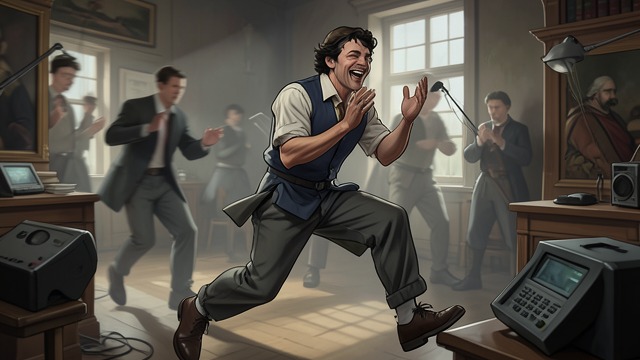
When Naoki Higashida jumps, he can feel his bounding legs and clapping hands clearly. The movement makes his body more perceptible to him.
Releasing emotion
Jumping also helps shake loose the constraint that strong feelings place on his movement. A behavior that may look exuberant is presented as both sensory grounding and emotional release.
Stillness as a Trap
Stillness as a Trap
Fear of detachment
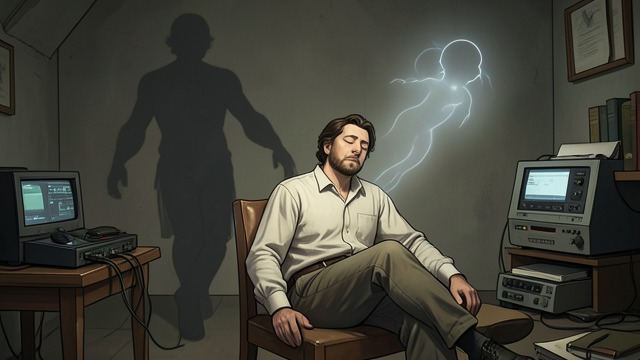
Naoki Higashida says that staying still can make him feel as if his soul is leaving his body. This feeling makes movement safer than the calmness others expect.
Meaning of calm
The request to stop fidgeting can therefore intensify fear unless the person has learned gradually to manage stillness. Calm is not simply the absence of movement; it must feel safe from within.
A Body Reclaimed in Motion
A Body Reclaimed in Motion
Small routes to stability
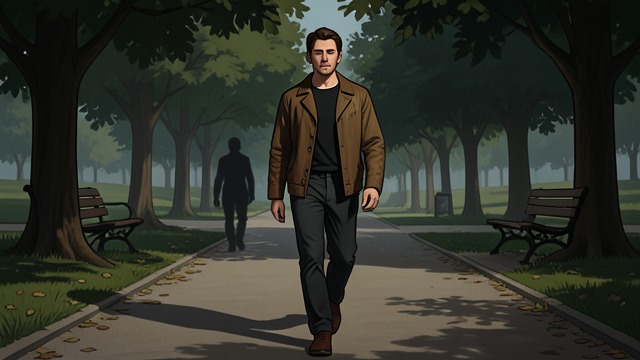
Naoki Higashida describes walking and jogging as refreshing, helping him feel back at home inside himself. A restored sense of gravity can calm him.
No simple cure
Movement does not solve every difficulty, but it offers a way to re-enter bodily experience. The theme treats self-control as something built through repeated, supported practice.
in the answer about conversation and bodily control
in the answer about physical contact
in the answer that gives the book its title
in the answer about restlessness
near the end of the movement-related answers
